Information of Catamarca
An overview of what is there and what to do.
It is a province located in the northwest of Argentina. It is bordered to the north, east and south by five Argentinean provinces (Salta, Tucumán, Santiago del Estero, Córdoba and La Rioja), and to the west by the Andes Mountains that separates it from Chile.
The relief of Catamarca is largely mountainous, with valleys, ravines and wide expanses of high altitude:
a) The Andes Mountains it occupies the southwest of the province. This Andean zone is one of the highest in the American continent, with several peaks that exceed 6000 metres above sea level. In fact, a tourist circuit that can be done is to follow the national route 60 up to the international pass of San Francisco, which is part of the so-called Seismiles Route where you can see some peaks like the Incahuasi (6640 metres above sea level) and the San Francisco (6040 metres above sea level).
b) Puna: it covers the northwest of the province. It is a region with large untouched extensions, with high altitude salt flats and a great number of volcanoes. Its main locality is Antofagasta de la Sierra, although there are also places to stop in El Peñón and Laguna Blanca.
c) Sierras Pampeanas (Pampean Mountains): they extend through the centre and southeast, with several mountain ranges with different attractions. In a valley delimited by these mountain ranges is the capital San Fernando del Valle de Catamarca. Other places to visit are Ancasti, El Rodeo, Las Juntas and La Puerta.
The province has some outstanding thermal centres. One of them is the Fiambalá hot springs, well known nationally, located near the town that bears its name. Others are La Aguadita near Tinogasta and the thermal complex in Hualfín.
As far as culture is concerned, you can take the route called Ruta del Adobe (Adobe Route), where you can see old adobe constructions. The archaeological area of the Shincal de Quimivil, which has structures built by native peoples, is located in the locality of Londres.
To get to Catamarca, the National Route 40 crosses it and connects it with important tourist centres in other provinces of the north and south of Argentina. There is also the national road 38 that connects with Tucumán, La Rioja and Córdoba; and the national route 60 with Córdoba and the international pass to Chile. On the other hand, there is the Coronel Felipe Varela airport, where flights arrive from Buenos Aires.
Regarding the climate, take into account that on average the heaviest rainfall occurs in the summer (December to March), where in some areas such as the Yungas it can rain a lot. Winter (June to September) tends to be drier, although in this season there can be areas with very low temperatures and snowfall.

 page of Argentina
 destinations of Argentina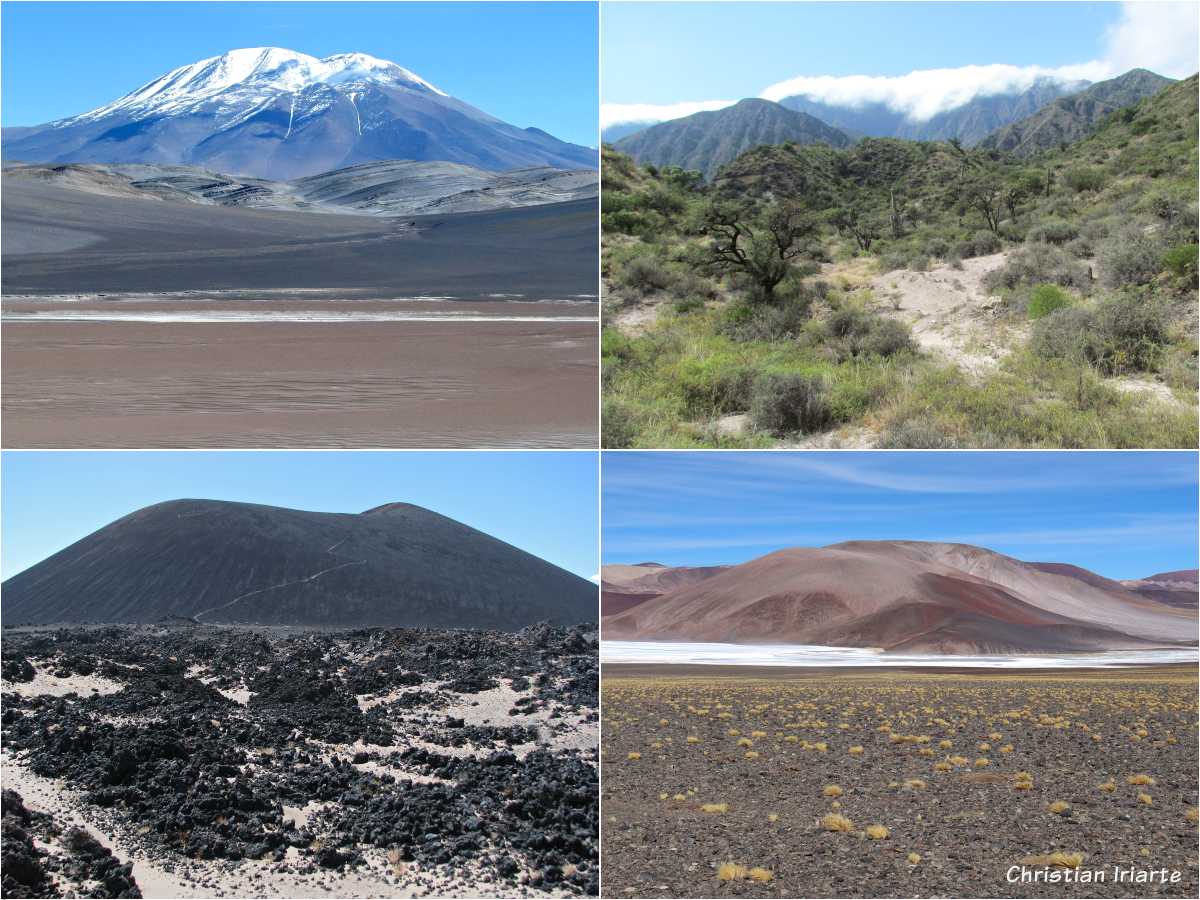

 to view places